
Is zinc alloy as good as stainless steel?
author: Sally Wan
2025-06-14
Is zinc alloy as good as stainless steel?
When it comes to choosing the right material for a project, two popular options that often come into consideration are zinc alloy and stainless steel. Both materials have their own unique properties and applications, and understanding the differences between them is crucial in making an informed decision. So, is zinc alloy as good as stainless steel? Let's find out.
Composition and Structure

Zinc alloy is a combination of zinc with other elements such as aluminum, copper, and magnesium. These additional elements are added to enhance specific properties of the alloy. For example, aluminum improves the strength and corrosion resistance of zinc alloy, while copper can enhance its hardness and machinability. The resulting alloy has a relatively low melting point, which makes it suitable for various casting processes.
On the other hand, stainless steel is primarily an alloy of iron and chromium, with chromium content typically at least 10.5%. This chromium forms a thin, invisible, and self - healing oxide layer on the surface of the steel, which gives it its characteristic corrosion resistance. Depending on the specific grade, stainless steel may also contain other elements like nickel, molybdenum, and titanium, each contributing to different properties such as increased strength, better corrosion resistance in specific environments, or improved formability.
Mechanical Properties

Strength and Hardness
In general, stainless steel has a higher overall strength and hardness compared to zinc alloy. Stainless steel, especially grades like 304 and 316, can withstand higher loads and stresses without deforming or breaking. This makes it an ideal choice for applications where structural integrity is crucial, such as in construction, automotive parts that need to endure high - stress conditions, and industrial machinery.
Zinc alloy, while not as strong as stainless steel in terms of pure tensile strength, still offers decent mechanical properties for many applications. It has good hardness for applications where wear resistance is required at a relatively lower cost. For example, in the manufacturing of small components like door handles or decorative items, zinc alloy's mechanical properties are sufficient.
Ductility and Malleability
Stainless steel can be quite ductile, especially austenitic stainless steels. This means it can be easily drawn into wires or hammered into thin sheets without cracking. This property allows for a wide range of fabrication techniques, from deep drawing to bending and welding. However, some grades of stainless steel may be more difficult to work with in terms of forming complex shapes due to their high strength.
Zinc alloy is also malleable and can be shaped through processes like die - casting, which is ideal for creating intricate and detailed parts. It has good flow characteristics when molten, allowing it to fill complex molds precisely. This makes zinc alloy a popular choice for producing items with detailed designs, such as jewelry, small figurines, and some electronic components.
Corrosion Resistance

Stainless steel is renowned for its excellent corrosion resistance. The chromium oxide layer on its surface acts as a barrier, preventing oxygen and moisture from reaching the underlying metal and thus inhibiting rust formation. This makes stainless steel suitable for use in harsh environments, such as in marine applications, chemical processing plants, and food and beverage industries where exposure to water, chemicals, and humidity is common.
Zinc alloy also has some degree of corrosion resistance. In normal atmospheric conditions, it can resist corrosion to a certain extent. However, when exposed to moisture for extended periods or in more corrosive environments, zinc alloy may start to corrode more rapidly compared to stainless steel. To improve its corrosion resistance, zinc alloy is often plated with other metals like nickel or chromium, or it can be coated with protective finishes such as paint or powder coating.
Cost

Cost is often a significant factor in material selection. Zinc alloy is generally more cost - effective than stainless steel. The raw materials for zinc alloy, mainly zinc and common alloying elements like aluminum and copper, are relatively inexpensive. Additionally, the manufacturing processes for zinc alloy, such as die - casting, can be more cost - efficient, especially for high - volume production of small to medium - sized parts.
Stainless steel, on the other hand, is more expensive. The production of stainless steel involves more complex processes, and the cost of chromium and other alloying elements, especially nickel, can be high. The higher cost of stainless steel makes it a less attractive option when cost is a major constraint, but its superior properties justify the expense in applications where performance and durability are critical.


When looking for high - quality zinc alloy and stainless - steel products, consider WinWin Industrial CO., LTD. With years of experience in the industry, WinWin Industrial CO., LTD specializes in manufacturing a wide range of zinc alloy and stainless - steel items. Their products are known for their excellent quality, precision, and reliability. Whether you need zinc alloy components for your automotive project or stainless - steel parts for your industrial machinery, WinWin Industrial CO., LTD can provide the solutions you need. Check out their website www.winwingroup.com.hk to explore their product range and see how they can meet your material needs.
Why are Labubus so expensive?
What are the 5 main hardware?
Related Article

In this guide, we’ll explore how to transform your keychain from a functional afterthought into a carefully crafted accessory. From material choices to organization tips, we’ll cover everything you need to know. We’ll also highlight how Winwin Industrial Co.,Ltd, a leader in precision manufacturing, exemplifies the quality craftsmanship that elevates everyday items like keychains into something truly special.
how to make your keychain look better
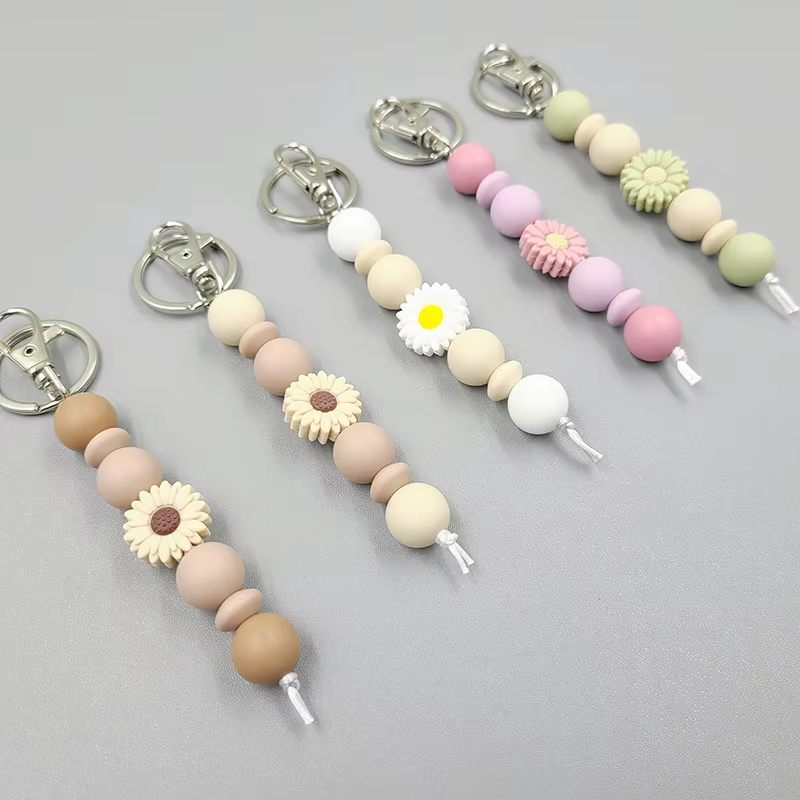
Key chains are more than just practical tools to keep your keys organized; they are a canvas for creativity. In this guide, we will walk you through the process of creating stunning beaded key chains.
how to make bead key chains

early bottle-opening methods were far from convenient, relying on creativity, strength, and a bit of luck
How did people open bottles before openers?

Keychains are more than just practical accessories to keep your keys organized—they’re tiny canvases for creativity, perfect for personal use, gifts, or even small business projects. Keychains are more than just practical accessories to keep your keys organized—they’re tiny canvases for creativity, perfect for personal use, gifts, or even small business projects.
What supplies are needed to make keychains?