
What are the steps of die casting?
author: Sally Wan
2025-07-09
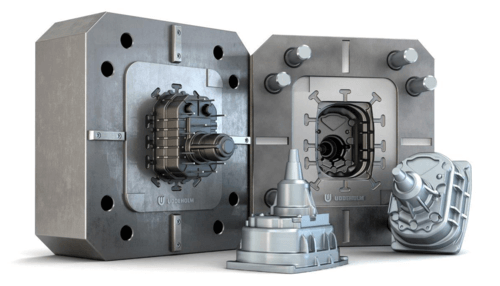
Die casting begins with the creation of a precision die, usually crafted from high-grade steel to endure extreme pressure and heat. This die is split into two parts: a stationary half fixed to the machine and a movable half that opens and closes. Before each cycle, the die undergoes thorough cleaning to remove residual material from previous casts. A specialized lubricant is then applied to the die cavities – this not only prevents molten metal from sticking but also facilitates smoother ejection of the finished part later in the process. This careful preparation lays the foundation for consistent, high-quality die casting results.
2. Melting the Metal Alloy
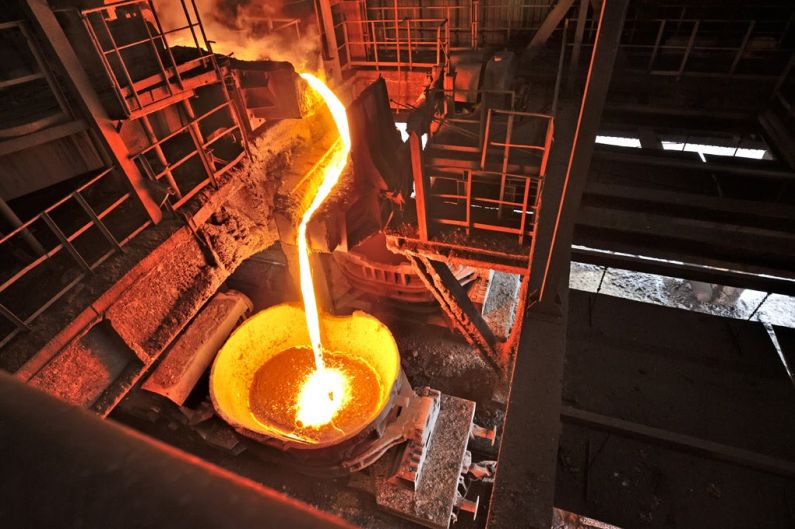
Next, the chosen metal alloy is melted in a controlled furnace. Common alloys for die casting include aluminum, magnesium, and zinc, each selected based on the part’s intended use. For instance, zinc alloys are popular due to their low melting point (around 380–420°C), which simplifies the melting process and makes them ideal for intricate designs. The furnace temperature is closely monitored to ensure the alloy reaches a perfectly molten state, ensuring it can flow smoothly into every detail of the die during injection.
3. High-Pressure Injection
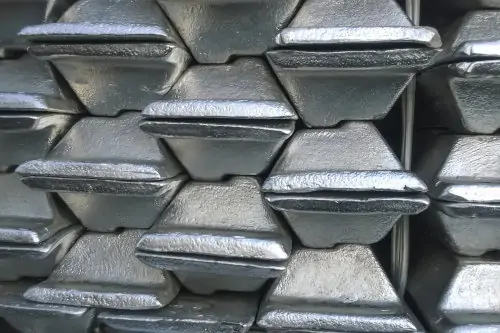
Once the alloy is molten, it’s time for injection – a critical step in die casting. The process uses either hot-chamber or cold-chamber machines. Hot-chamber machines are often used for zinc alloys: the molten metal is drawn directly from the furnace into a gooseneck and then injected into the die at high pressure (typically 1,000–20,000 psi). Cold-chamber machines, suited for higher-melting alloys like aluminum, use a separate ladle to transfer molten metal into a shot chamber before it’s forced into the die. This high pressure ensures the metal fills every nook of the die, capturing even the finest details.
4. Cooling and Solidification
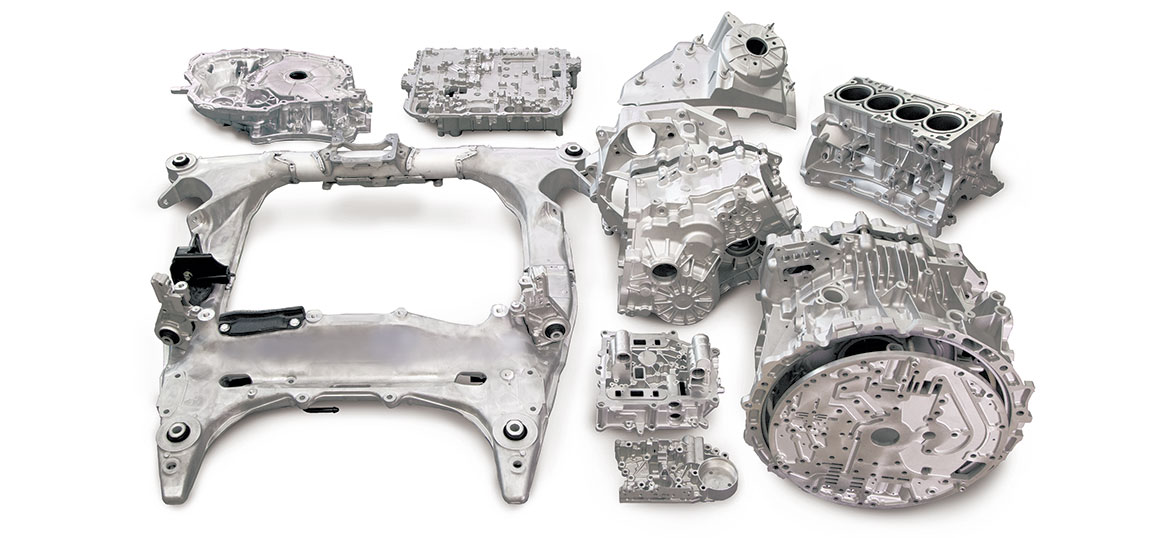
After injection, the molten metal begins to cool and solidify within the die. The die’s design, often with built-in cooling channels, regulates this process to ensure uniform solidification, which is key to the part’s structural integrity. The cooling time varies based on the part’s thickness and the alloy used – thinner sections solidify faster, while thicker areas require more time to set properly.
5. Ejection and Trimming
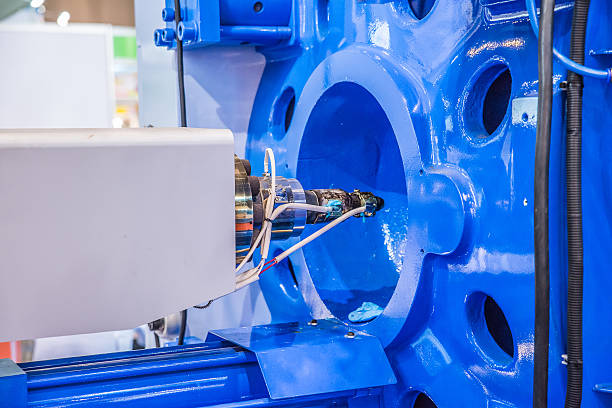
Once fully solidified, the die opens, and ejector pins push the newly formed part out. At this stage, the part may have excess material, such as flash (thin metal layers formed at die seams) or runners (channels through which metal flowed into the die). These are removed in a trimming process, where machines or hand tools cut away the excess, leaving a clean, precise component.
6. Quality Inspection


The final step in die casting is rigorous quality control. Each part is inspected for defects like cracks, porosity, or dimensional inaccuracies. Advanced methods such as X-ray testing or ultrasonic scans may be used to check for internal flaws. Only parts meeting strict standards move forward for further processing or assembly.
When it comes to reliable zinc alloy products made through this meticulous die casting process, WinWin Industrial CO.,LTD is a trusted name. Leveraging expertise in die casting, the company produces high-precision zinc alloy components that meet the demands of various industries, from electronics to automotive. Their commitment to following each die casting step with precision ensures durable, consistent products that stand the test of time.
Is PVC self-healing?
What is the best type of keychain?
Related Article
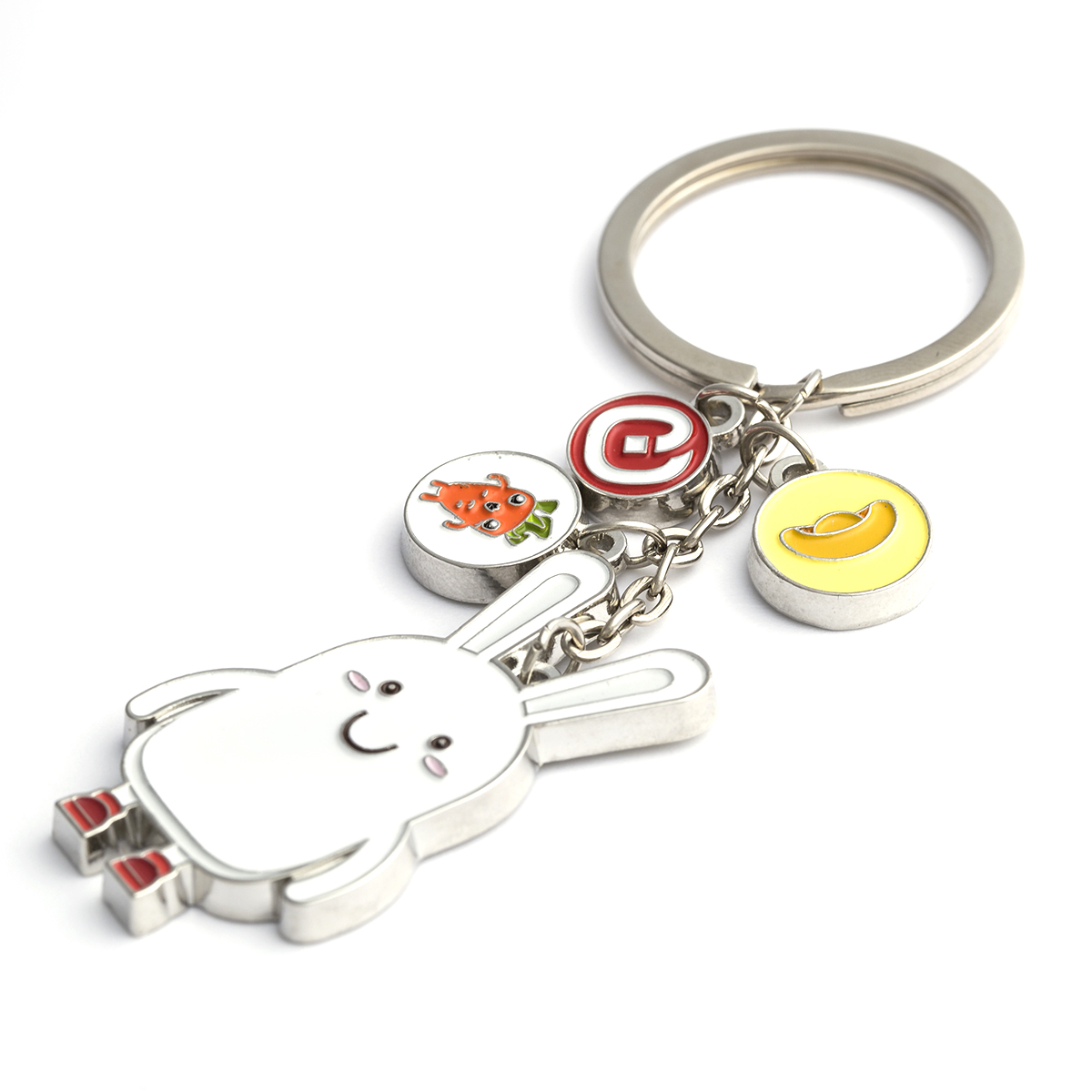
In this guide, we’ll explore how to transform your keychain from a functional afterthought into a carefully crafted accessory. From material choices to organization tips, we’ll cover everything you need to know. We’ll also highlight how Winwin Industrial Co.,Ltd, a leader in precision manufacturing, exemplifies the quality craftsmanship that elevates everyday items like keychains into something truly special.
how to make your keychain look better
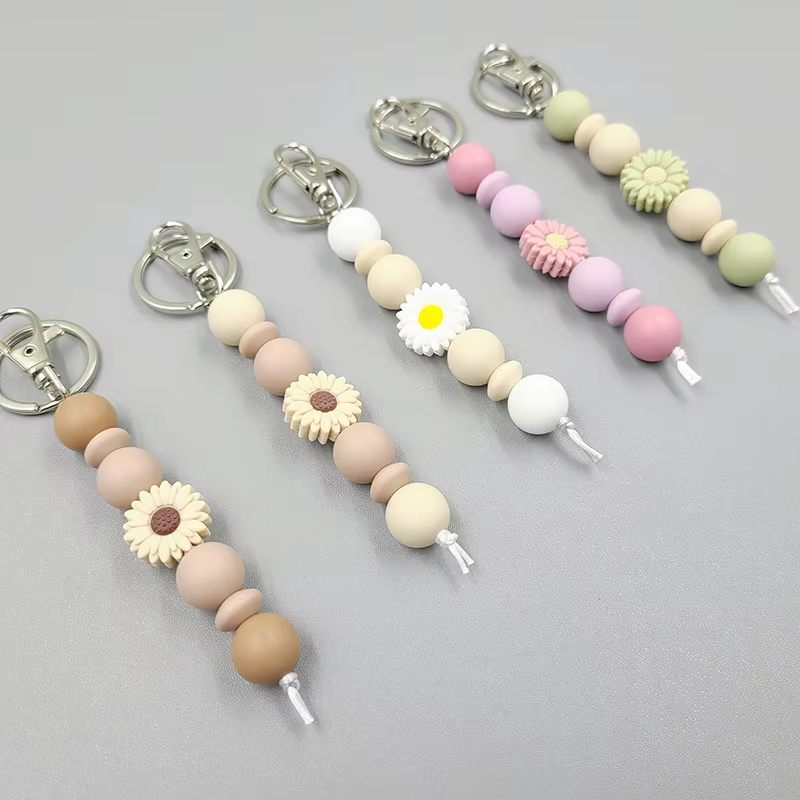
Key chains are more than just practical tools to keep your keys organized; they are a canvas for creativity. In this guide, we will walk you through the process of creating stunning beaded key chains.
how to make bead key chains
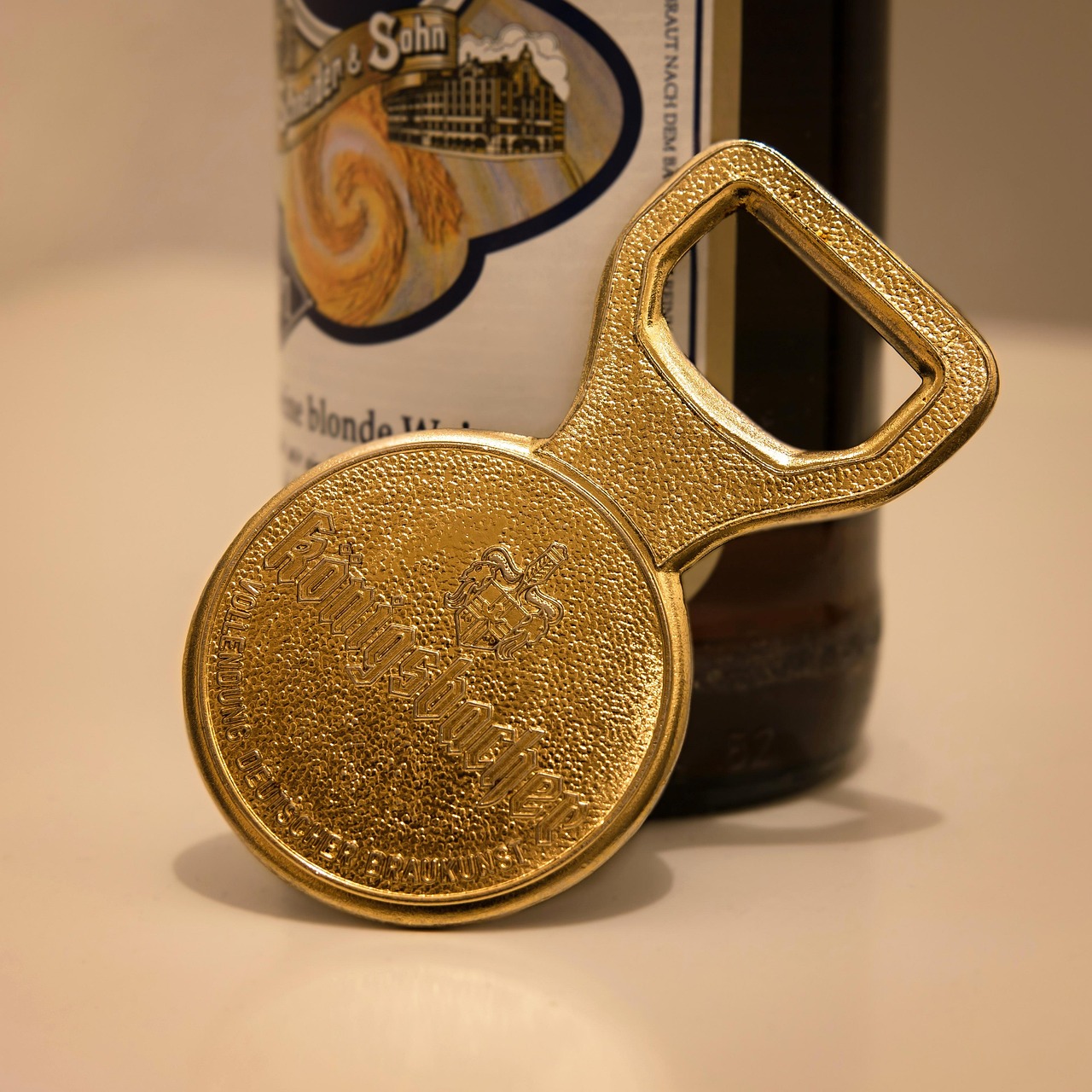
early bottle-opening methods were far from convenient, relying on creativity, strength, and a bit of luck
How did people open bottles before openers?
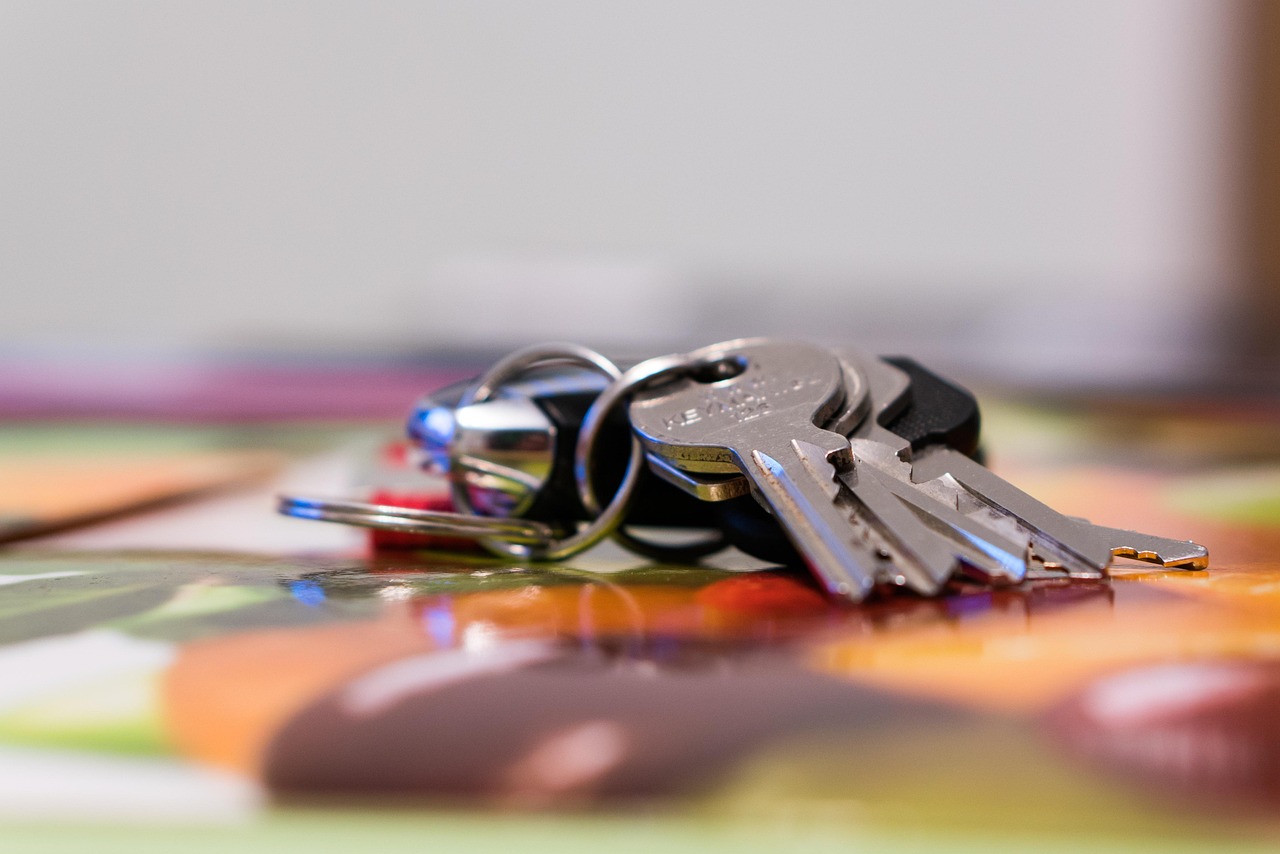
Keychains are more than just practical accessories to keep your keys organized—they’re tiny canvases for creativity, perfect for personal use, gifts, or even small business projects. Keychains are more than just practical accessories to keep your keys organized—they’re tiny canvases for creativity, perfect for personal use, gifts, or even small business projects.
What supplies are needed to make keychains?